
Whitepaper

Does your DoD Zero Trust architecture address what's inside the file?

Understand the file blind spot the DoD Data Pillar leaves open:

  • Find out why identity controls, network segmentation and access policies cannot stop a weaponized file from a credentialed sender.
  • Discover the five high-risk file pathways — from coalition partner exchange to tactical edge and DDIL environments — and how adversaries exploit them.
  • See how Content Disarm and Reconstruction (CDR) aligns with CMMC Level 2, NSA Raise the Bar, DISA STIGs and the DoD Zero Trust Capability Execution Roadmap.
Click to read the whitepaper

Zero Trust is not a product. It is an architectural philosophy. But architectures have gaps, and the most consequential gap in the current DoD implementation is not in identity management or network microsegmentation. It is in the assumption that file content, once cleared by access controls, can be trusted.

Paul Farrington
CPO, Glasswall

The DoD has made progress. The file blind spot remains.

The DoD Zero Trust Strategy has raised the bar on access, identity, and network security. But one dimension remains consistently underspecified across all seven pillars: what the file actually contains.

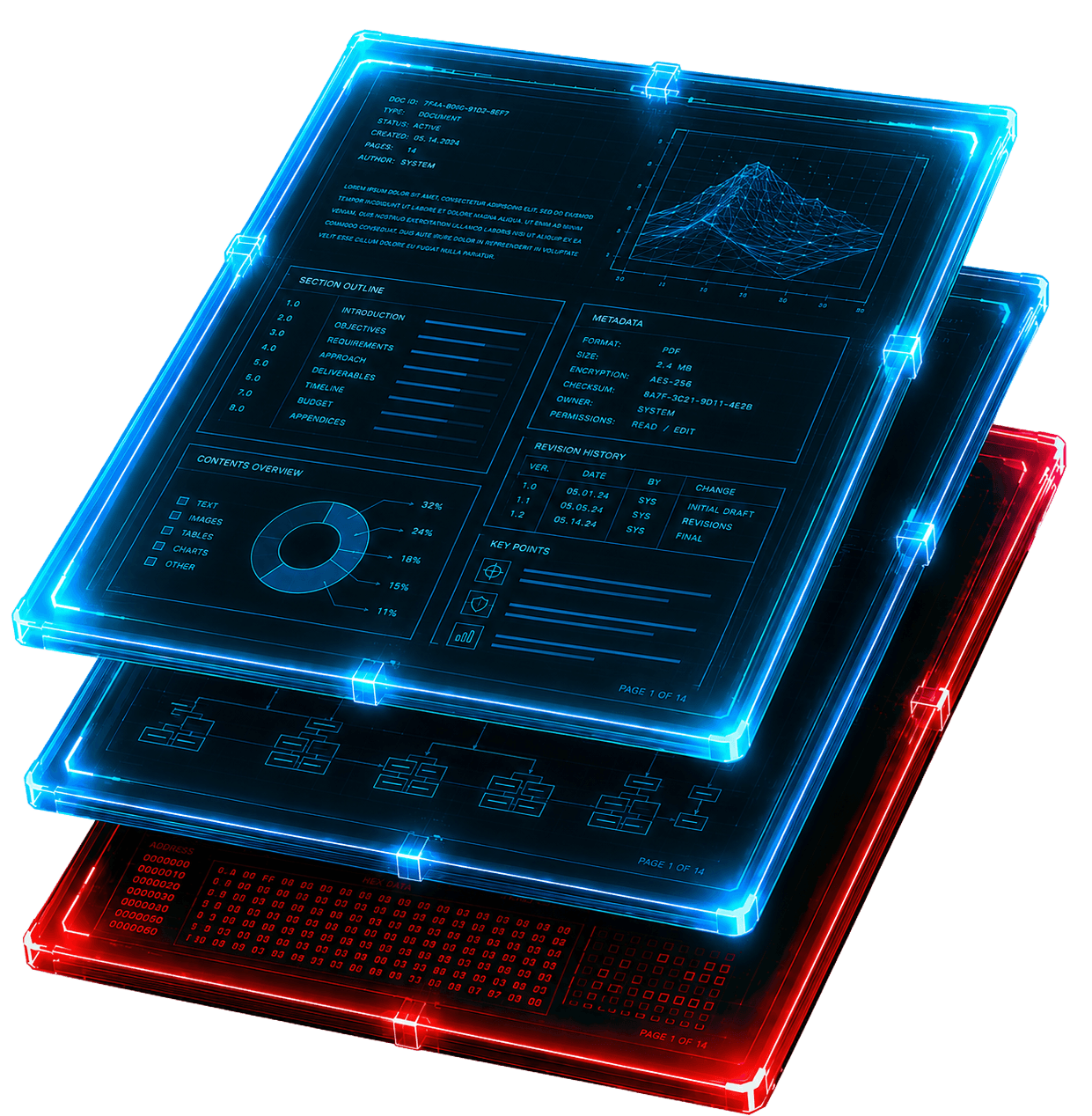
A credentialed user on a verified device can pass every access control in a standard Zero Trust architecture and still open a weaponized document from a compromised coalition partner or contractor. The threat lives inside the file, not in the access pathway.

Five high-risk pathways. One unaddressed gap.

The DoD file threat surface spans five specific operational pathways, and each pathway carries files that arrive through authorized channels, from entities with legitimate credentials or established trust relationships.

Detection-based tools fail across all five because the threat is not in the access event; it is in the content. Content Disarm and Reconstruction (CDR) operates deterministically, providing the same protection whether network connectivity is available or not.

CDR completes the Data Pillar.

The DoD Zero Trust Data Pillar governs who can access data. It does not govern whether the data is safe to open. These are fundamentally different questions, and conflating them is the architectural gap adversaries exploit.

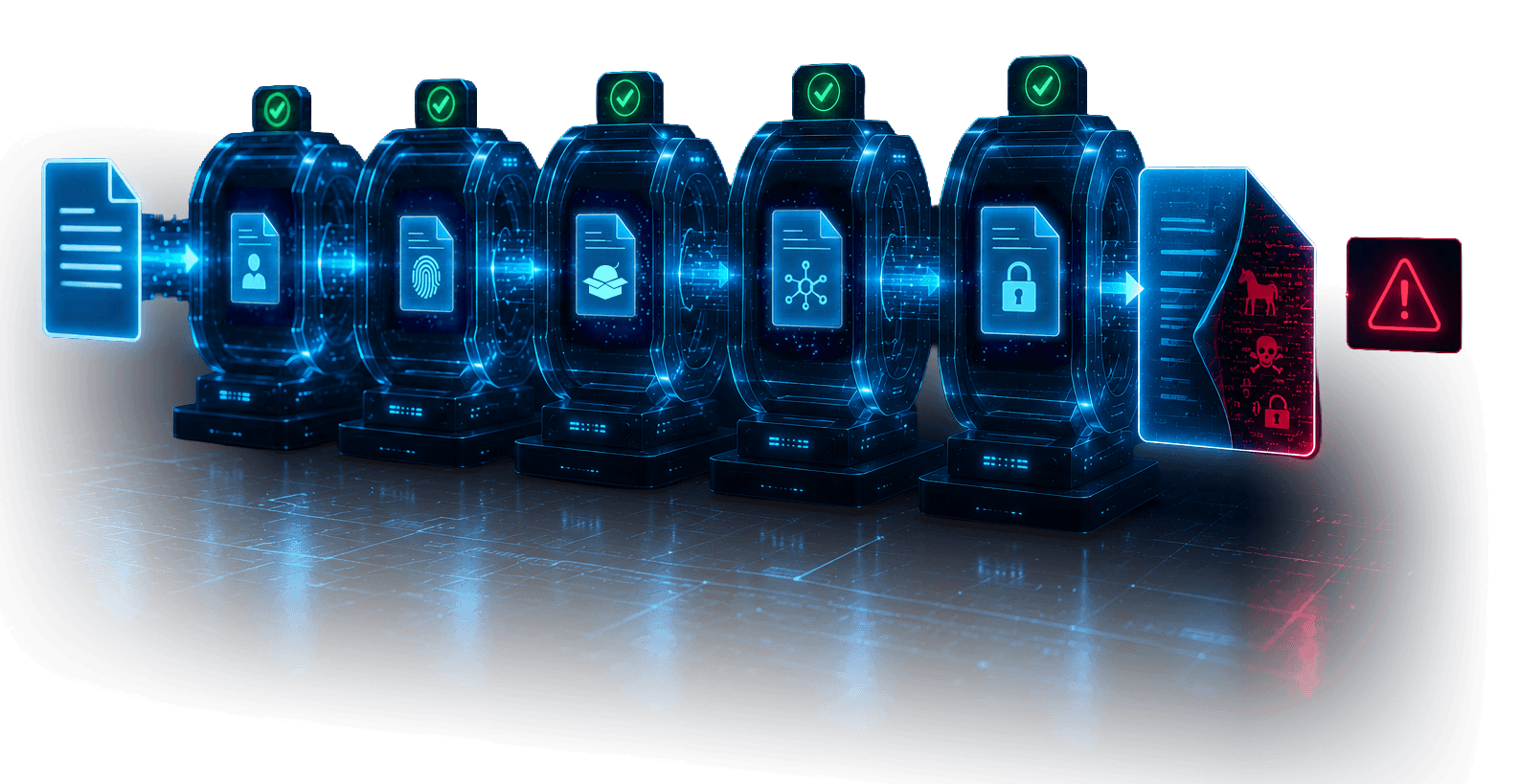
CDR addresses the content safety dimension that classification, labeling, and access rights cannot touch. Rather than attempting to detect threats, it rebuilds every file to a known-good specification, eliminating embedded scripts, macros and structural anomalies as part of the process.

See what Zero Trust file protection looks like. Live, in 25 minutes.

A tailored walkthrough of how Glasswall rebuilds files to a known-good state, removes hidden threats, and provides the intelligence you need to understand file risk.

What's in the demo

  • See malicious files rebuilt in real time
    Watch Glasswall remove hidden threats and return a safe, usable files.
  • Integrate security without disruption
    See how Glasswall fits into your existing workflows and infrastructure.
  • Gain complete visibility into file risk
    Uncover threats, anomalies and hidden file intelligence.

Beazley's security is paramount, and this integration has significantly reinforced our cybersecurity framework.

Thank you! Your submission has been received!
Oops! Something went wrong while submitting the form.