



Foresight Icon

Glasswall Foresight

AI that stops malicious files before they cause harm

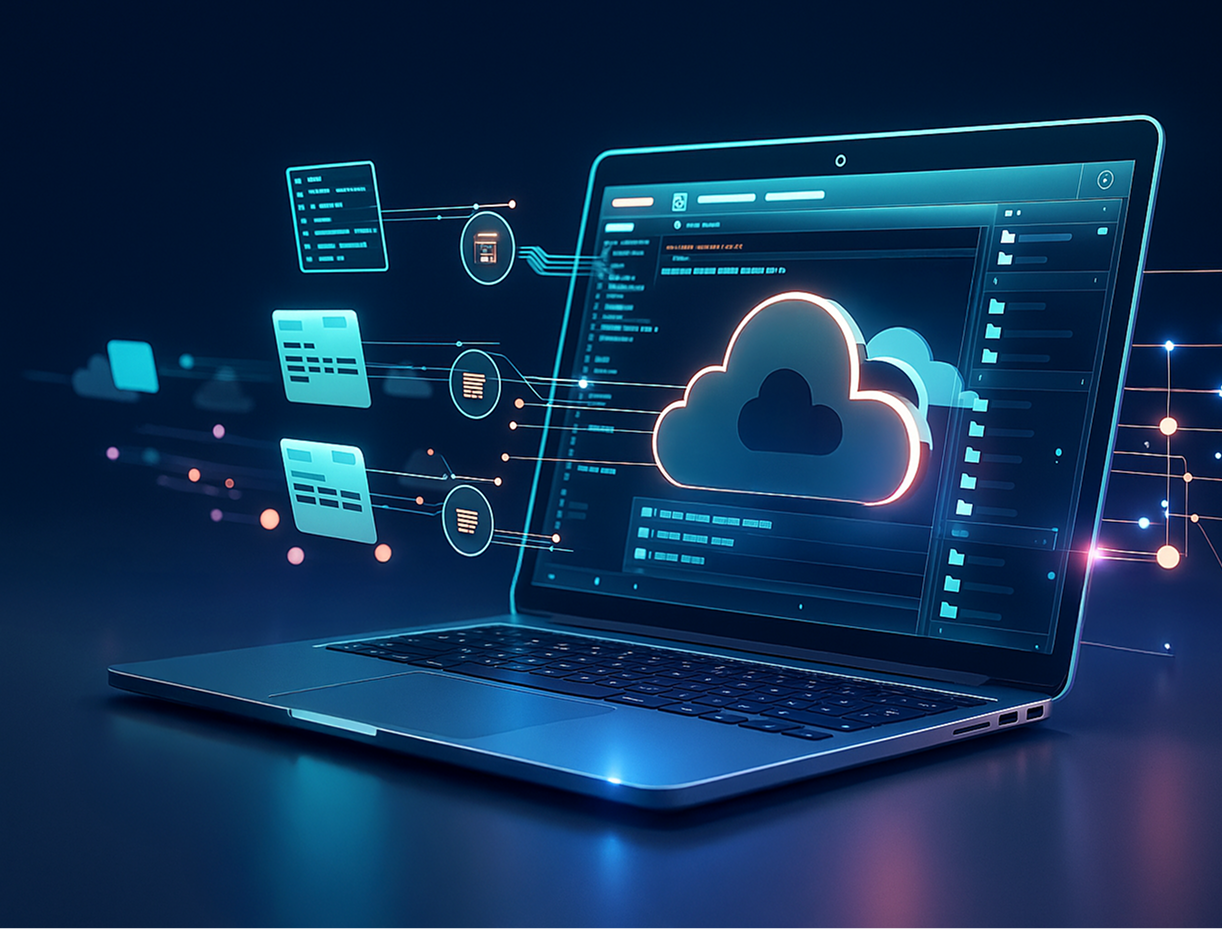
Glasswall Foresight is an AI-powered threat prediction capability that uses machine learning trained on CDR structural telemetry to identify unknown and zero-day malware.

Traditional file detection leaves dangerous blind spots

Security teams face a growing gap between evolving threats 
and outdated detection methods:

  • Unknown and zero-day malware bypass signature tools
  • Sandboxing is slow, reactive, and infrastructure-heavy
  • False positives overwhelm SOC teams and hide real risk

You are expected to anticipate threats — not react after impact

We understand the operational pressure security leaders face, especially in high assurance, air gapped, and mission critical environments where failure is not an option.

For over a decade, Glasswall has protected Five Eyes and classified government networks. Our CDR technology is mandated by the NSA’s “Raise the Bar” initiative and trusted in the world’s most secure environments.

Predictive file intelligence powered by CDR + AI

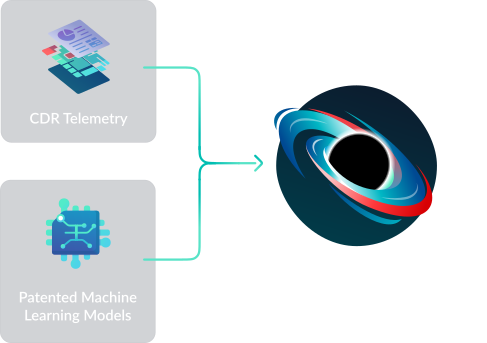
Glasswall Foresight combines deep structural telemetry generated during Content Disarm and Reconstruction (CDR) with proprietary machine learning models to predict the likelihood a file is malicious.

The result is early probabilistic threat insight on unknown and zero day files, without modifying the original file, detonating it, or relying on internet lookups. 

Secure your files in three simple steps

1. Inspect

Deep structural telemetry is generated during CDR file inspection.

2. Score

Proprietary machine learning models produce a probabilistic threat score, even for previously unseen threats.

3. Act

Use high-confidence risk scoring to allow, block, quarantine, or escalate files in alignment with Zero Trust policies.

Detect what others miss

Identifies unknown and zero-day threats beyond the reach of antivirus tools and sandboxing.

Reduce alert fatigue


Extremely low false positive rates (0.015% for PDFs) provide high-assurance threat signals, reducing false alarms and investigation time.

Preserve file integrity


Assess malicious likelihood without altering original file structure, ideal for legal, compliance, and evidentiary workflows.

Deploy anywhere, 
even offline


Fully functional in the cloud, on premises, or air-gapped and DDIL environments via CLI, Docker, Python, or C++.

Move from reactive detection to predictive control

With Glasswall Foresight, security teams gain:

  • Early visibility into file-based threats
  • Fewer false positives and faster investigations
  • Reduced reliance on sandbox infrastructure
  • Protection in disconnected and
high-assurance environments

You don’t simply neutralize files; you uncover their malicious intent.

Proprietary AI built for file security

  • Purpose-built from 5+ years of proprietary research
  • Architected to resist prompt injection and data poisoning
  • Powered by CDR structural telemetry
  • Engineered for high-security, mission-critical environments

Make informed security decisions with Foresight

Foresight’s blend of Content Disarm and Reconstruction (CDR) and machine learning provides both safe files and actionable predictive threat intelligence.

Talk to us
to strengthen your security

Eliminate malware before it reaches your network and ensure your files are always safe and secure with Glasswall’s Zero Trust and intelligent file protection.

Fill out the form and we’ll be in touch shortly.

Thank you! Your submission has been received!
Oops! Something went wrong while submitting the form.

FAQs

Lorem ipsum dolor sit amet, consectetur adipiscing elit. Suspendisse varius enim in eros elementum tristique.

What is Glasswall Foresight?

Glasswall Foresight is an AI-powered file threat detection capability that predicts whether a file is malicious by analysing structural telemetry generated during Content Disarm and Reconstruction (CDR). It detects unknown and zero-day file threats without relying on signatures, sandbox detonation, or internet lookups. Foresight provides a probabilistic threat score that helps security teams make confident, real-time decisions.

How does Glasswall Foresight detect zero-day malware?

Foresight uses proprietary machine learning models trained on deep structural telemetry extracted during CDR inspection. Instead of looking for known malware signatures, it analyses how a file is constructed and identifies structural anomalies that indicate malicious intent. This allows it to detect previously unseen and zero-day threats without waiting for threat intelligence updates.

How is Foresight different from sandboxing?

Sandboxing detonates files in a controlled environment to observe behaviour, which can introduce delays, infrastructure overhead, and evasion risks. Glasswall Foresight does not detonate files. Instead, it analyses structural file characteristics and generates a probabilistic threat score instantly, reducing latency and working in offline or air-gapped environments.

Does Glasswall Foresight rely on malware signatures?

No. Glasswall Foresight is signatureless. Traditional antivirus tools depend on known malware signatures, which can miss new or modified threats. Foresight evaluates file structure and telemetry using machine learning models, allowing it to identify unknown and zero-day malware without prior signature knowledge.

Can Glasswall Foresight run in air-gapped or offline environments?

Yes. Glasswall Foresight is designed for high-assurance, mission-critical, and classified environments. It does not require internet connectivity, cloud lookups, or external threat feeds to function, and can be deployed on-premises, in private cloud environments, and in air-gapped or DDIL networks.

What role does CDR play in Foresight?

Content Disarm and Reconstruction (CDR) inspects files and reconstructs them into safe, trusted formats. During this process, detailed structural telemetry is generated. Glasswall Foresight uses this telemetry as the foundation for its AI models, enabling predictive threat scoring without modifying the original file during analysis.

Does Foresight replace antivirus or endpoint protection?

Glasswall Foresight enhances existing security controls by adding predictive file intelligence. It can complement antivirus, sandboxing, and endpoint protection platforms by providing earlier visibility into unknown file threats. In high-assurance environments, it can also serve as a primary file inspection and risk scoring mechanism.

What is the difference between Glasswall Halo and traditional antivirus?

Traditional antivirus tools detect known threats using signatures or behavioural analysis. Glasswall Halo does not rely on detection. It removes potentially malicious elements from files by rebuilding them safely, making it effective against unknown and zero-day attacks.

How accurate is Glasswall Foresight?

Glasswall Foresight is engineered to maintain extremely low false positive rates while delivering high-confidence threat scoring. In production environments, it has demonstrated a false positive rate as low as 0.015% for PDF files, reducing alert fatigue and accelerating security investigations.

How does Foresight support Zero Trust strategies?

Foresight generates a probabilistic maliciousness score for each file, allowing organisations to enforce granular Zero Trust policies. Based on the threat score, files can be automatically allowed, quarantined, blocked, or escalated for further review, enabling data-driven security decisions aligned with Zero Trust principles.